Why HDU Has Replaced Wood for Most Carved Signs
The Look of Carved Wood, Engineered for Florida
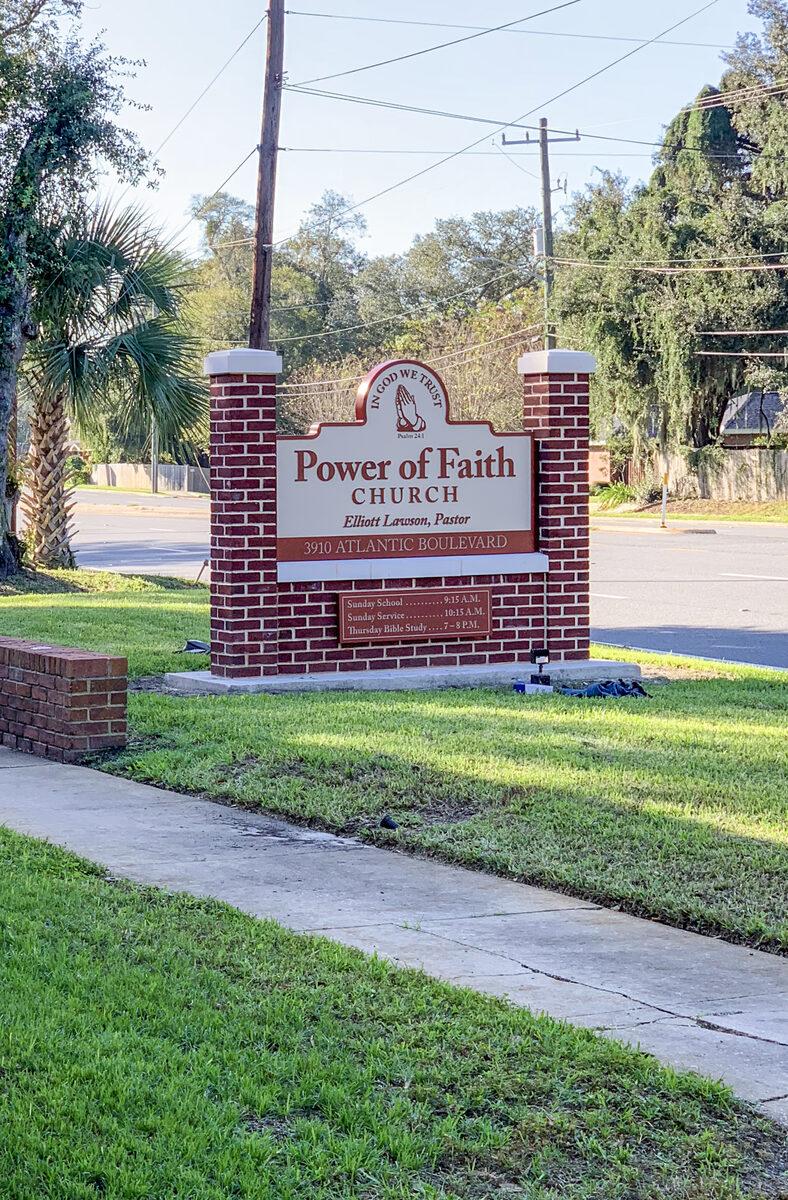
For most of sign-making history, carved signs meant cedar, redwood, or mahogany. Beautiful — but in a climate like Northeast Florida's, real wood signs require constant attention. UV breaks down the finish, humidity swells and shrinks the panel, and over time even the best-built wood sign starts to crack, check, or rot at the fasteners.
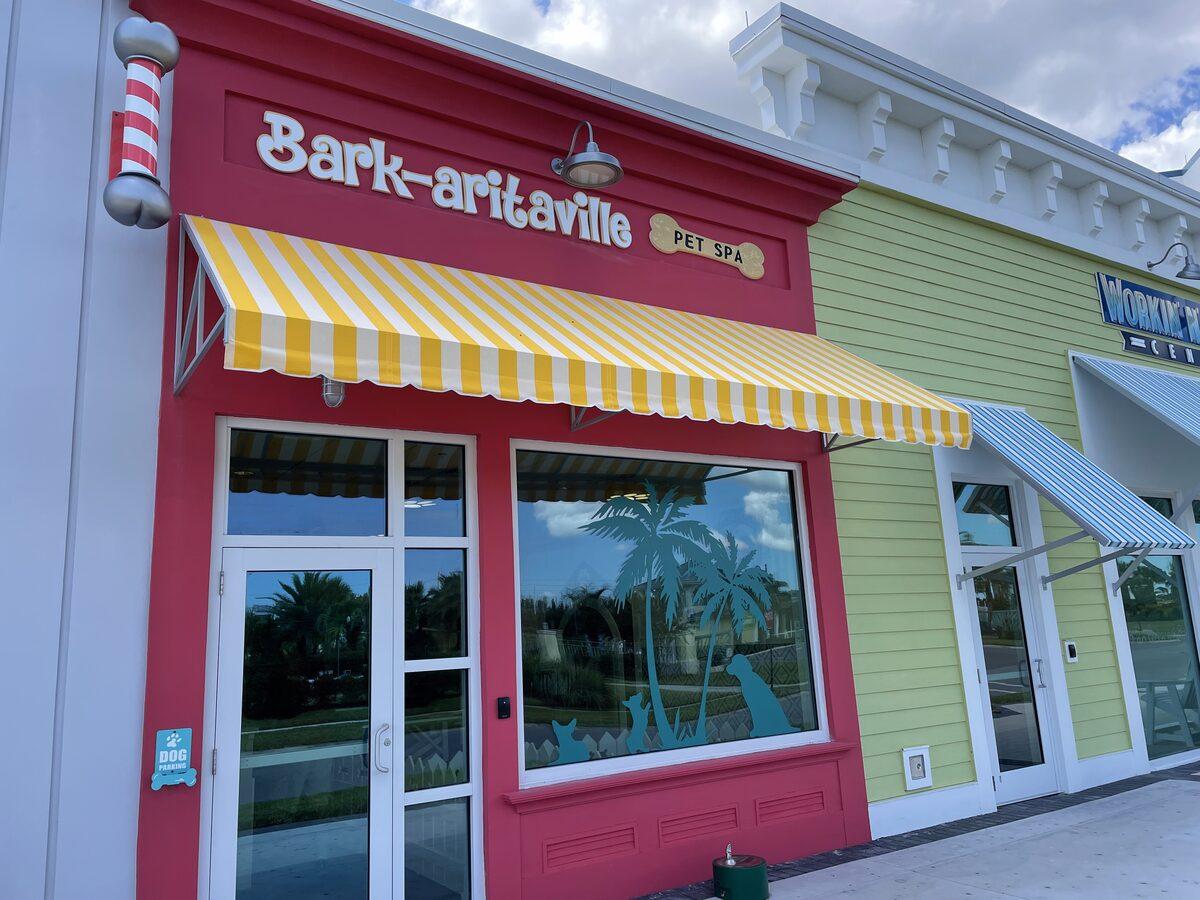
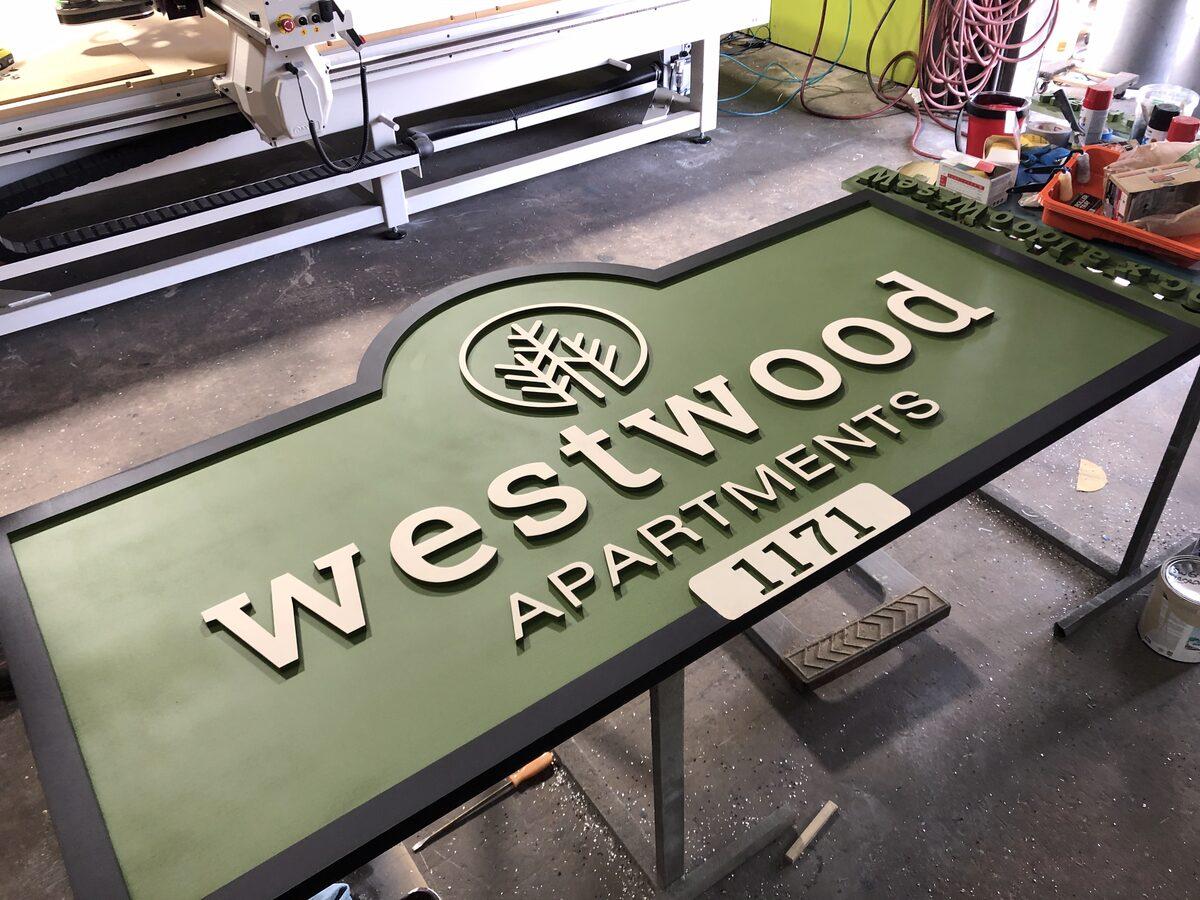
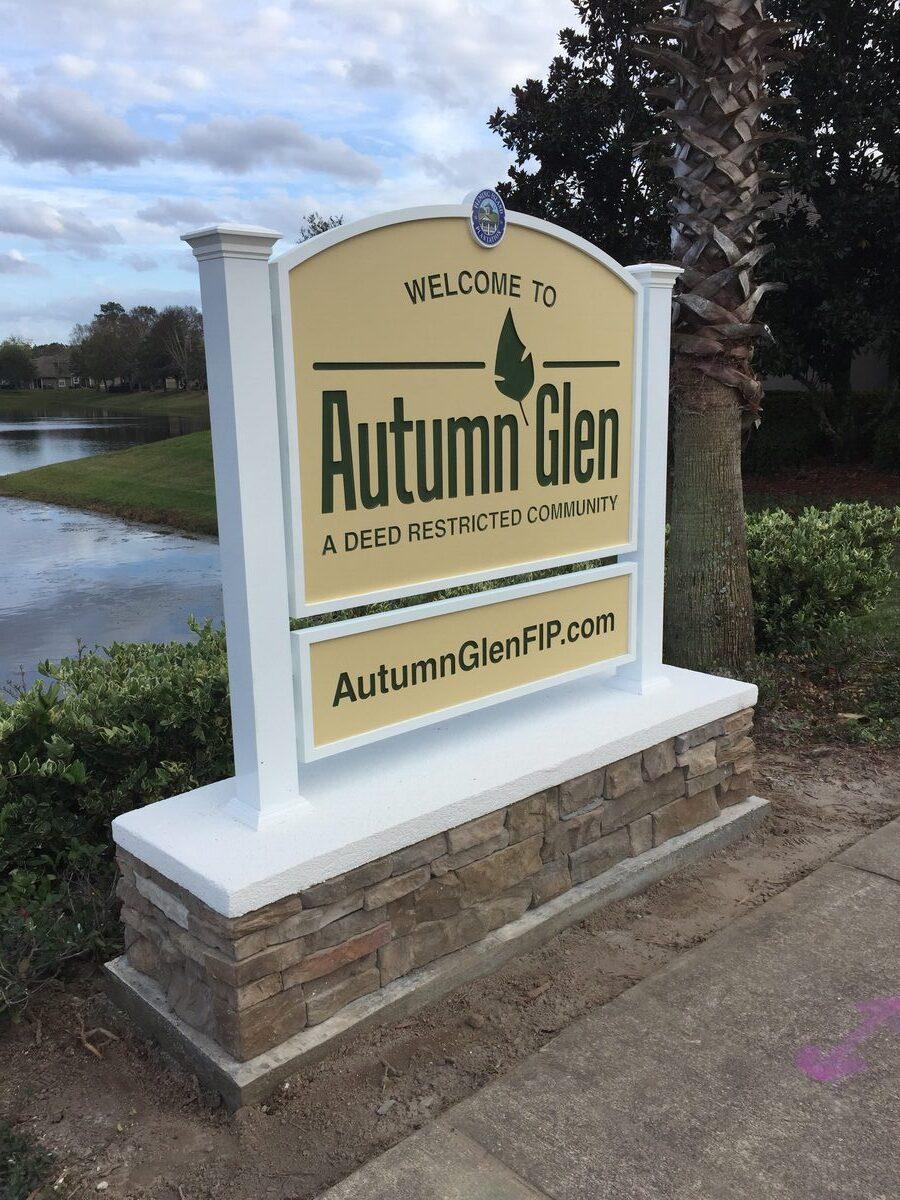
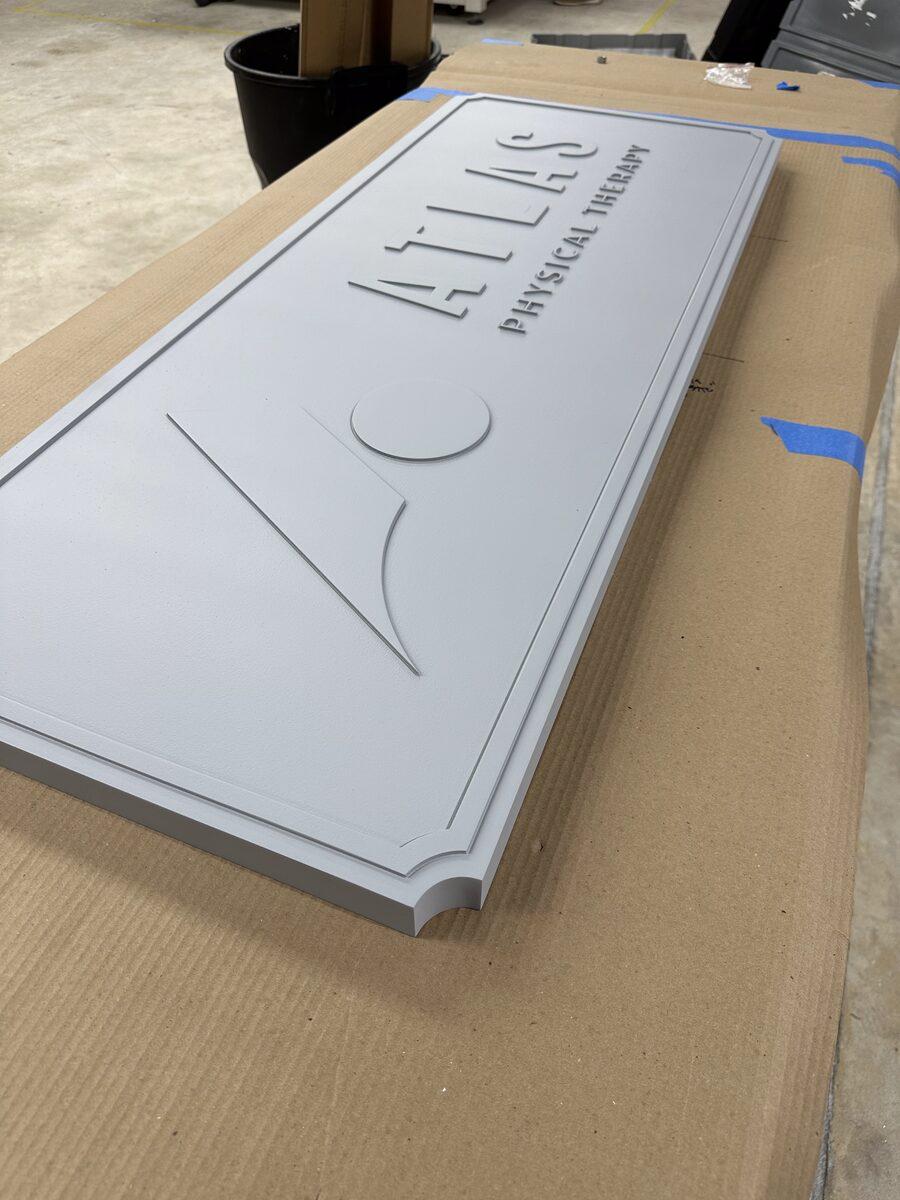
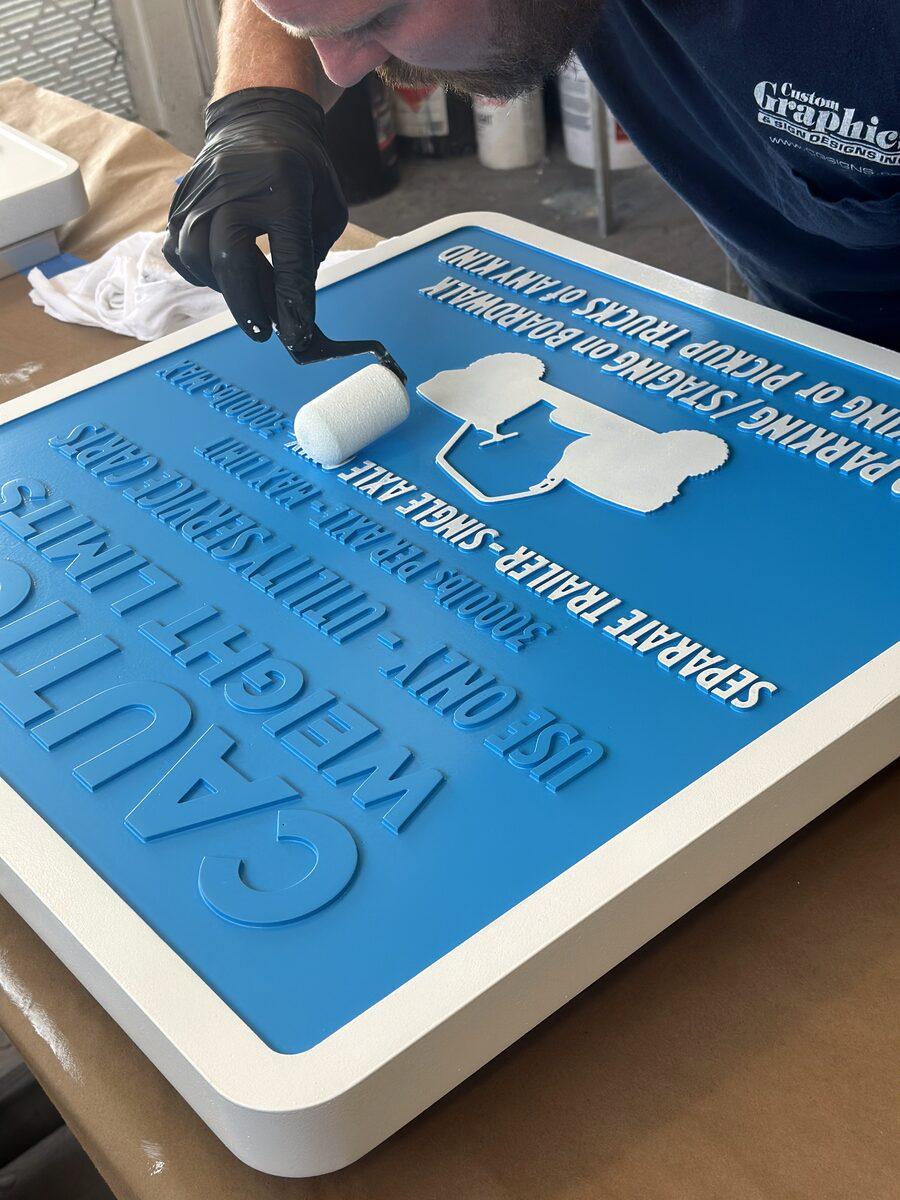
HDU — High-Density Urethane — was developed specifically to solve those problems. It carves like wood, paints like wood, and looks like wood once it's finished. But it's a closed-cell polymer, which means it doesn't absorb moisture, doesn't expand or contract with humidity, and doesn't host insects, mold, or rot. A finished HDU sign in our Florida climate will routinely look great for 10 to 15 years with normal maintenance — far longer than an equivalent wood sign in the same conditions.
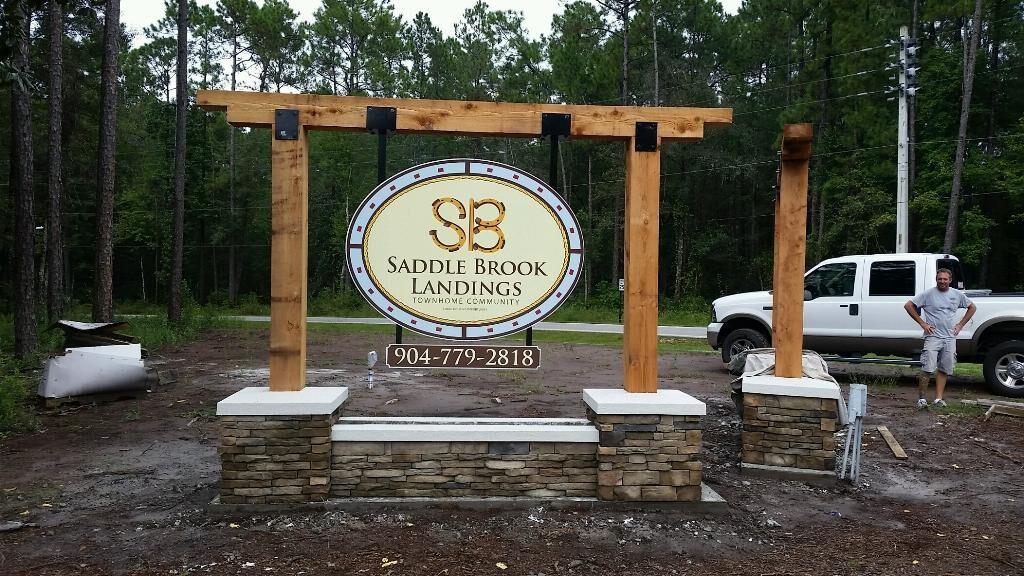
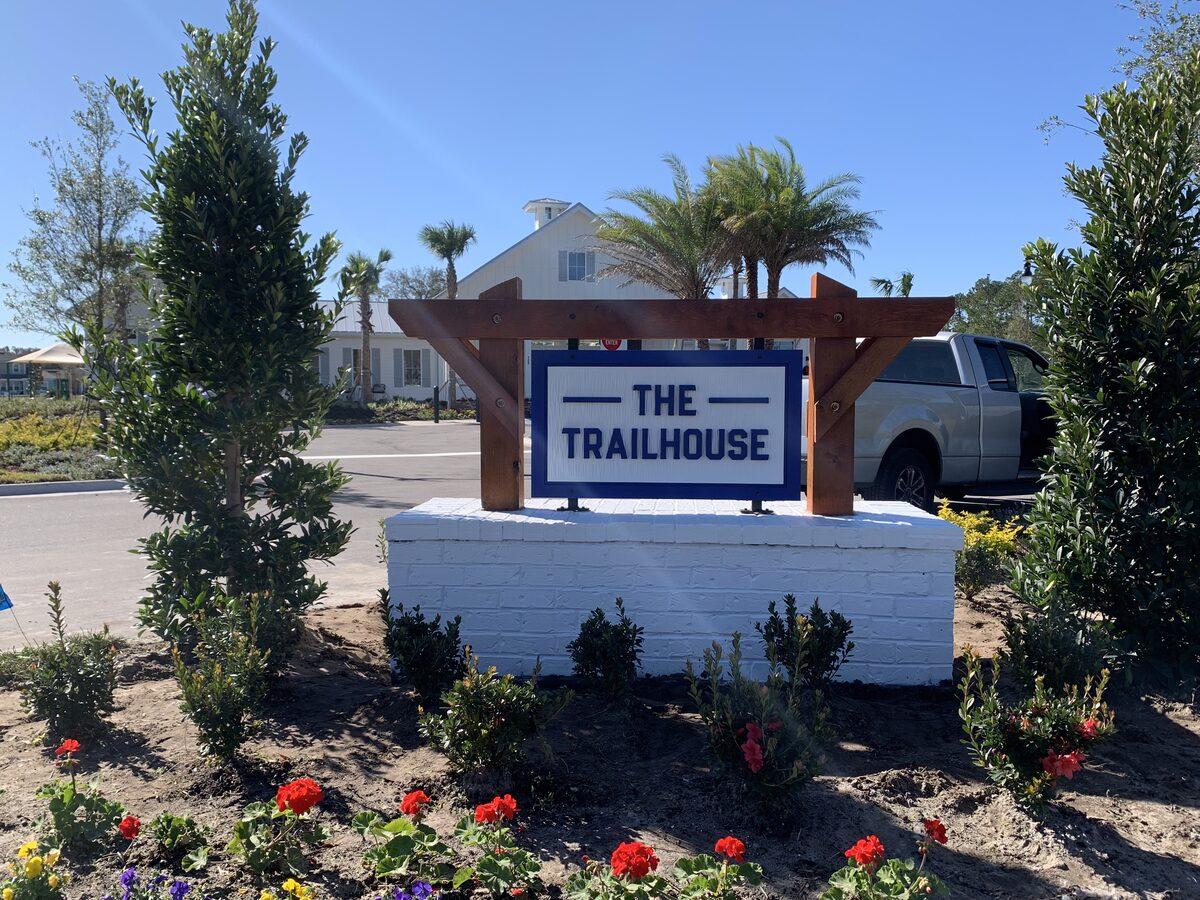
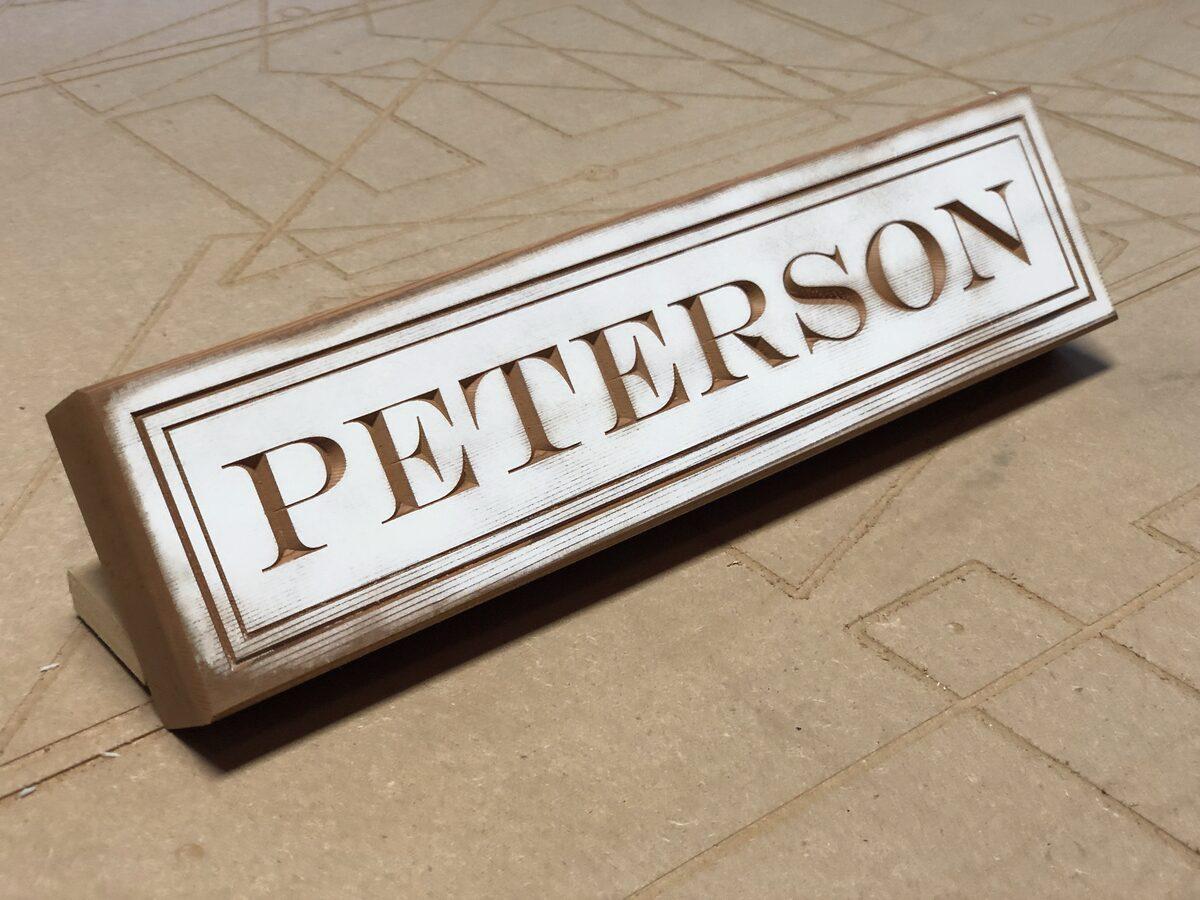
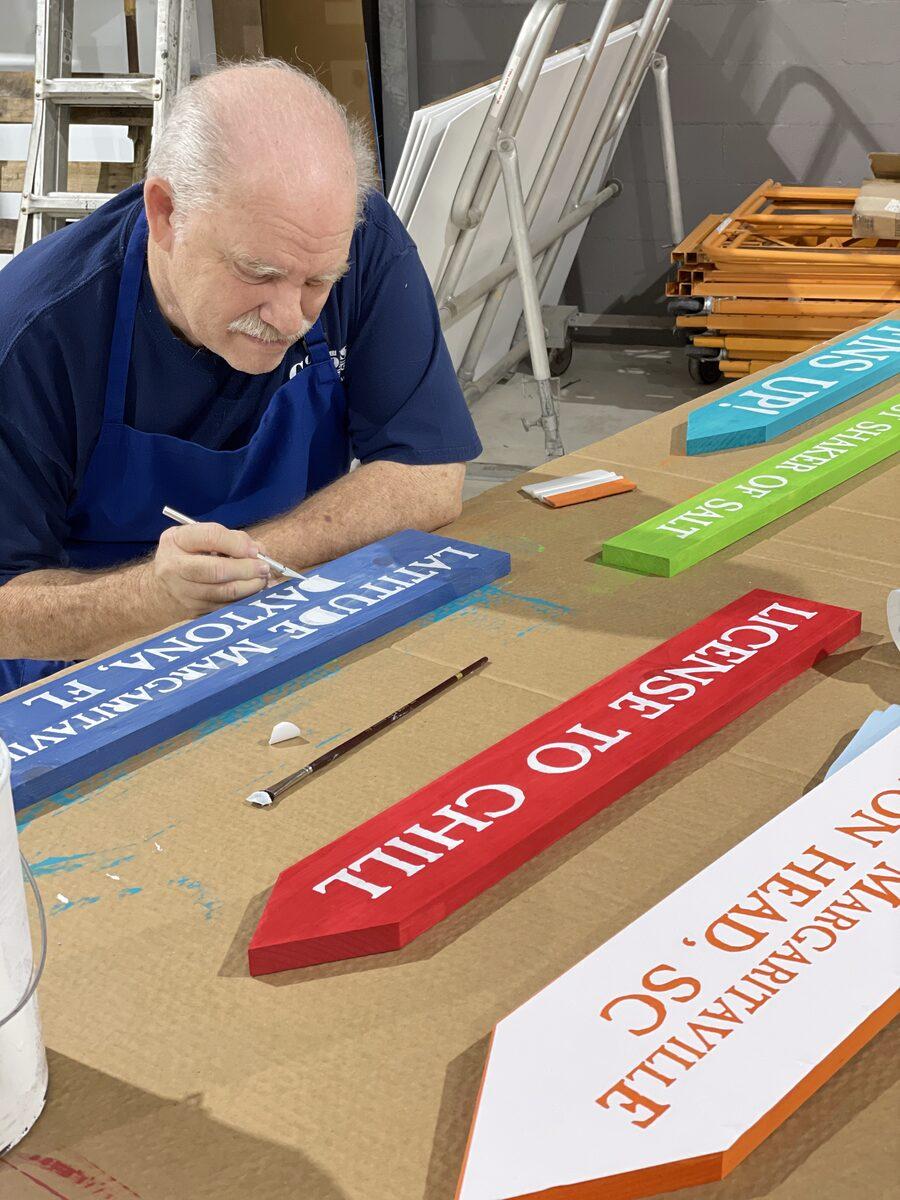
That said, we still build plenty of cedar signs. There are projects where the natural grain, smell, and authenticity of real wood is the entire point — historic district signs, mountain-themed restaurants, custom residential entries, neighborhood gateways. For those projects, we source select-grade Western Red Cedar, finish it with marine-grade sealers, and engineer the mounting to keep moisture away from the end grain. Done right, a cedar sign can last 20+ years and develop a beautiful patina over time.
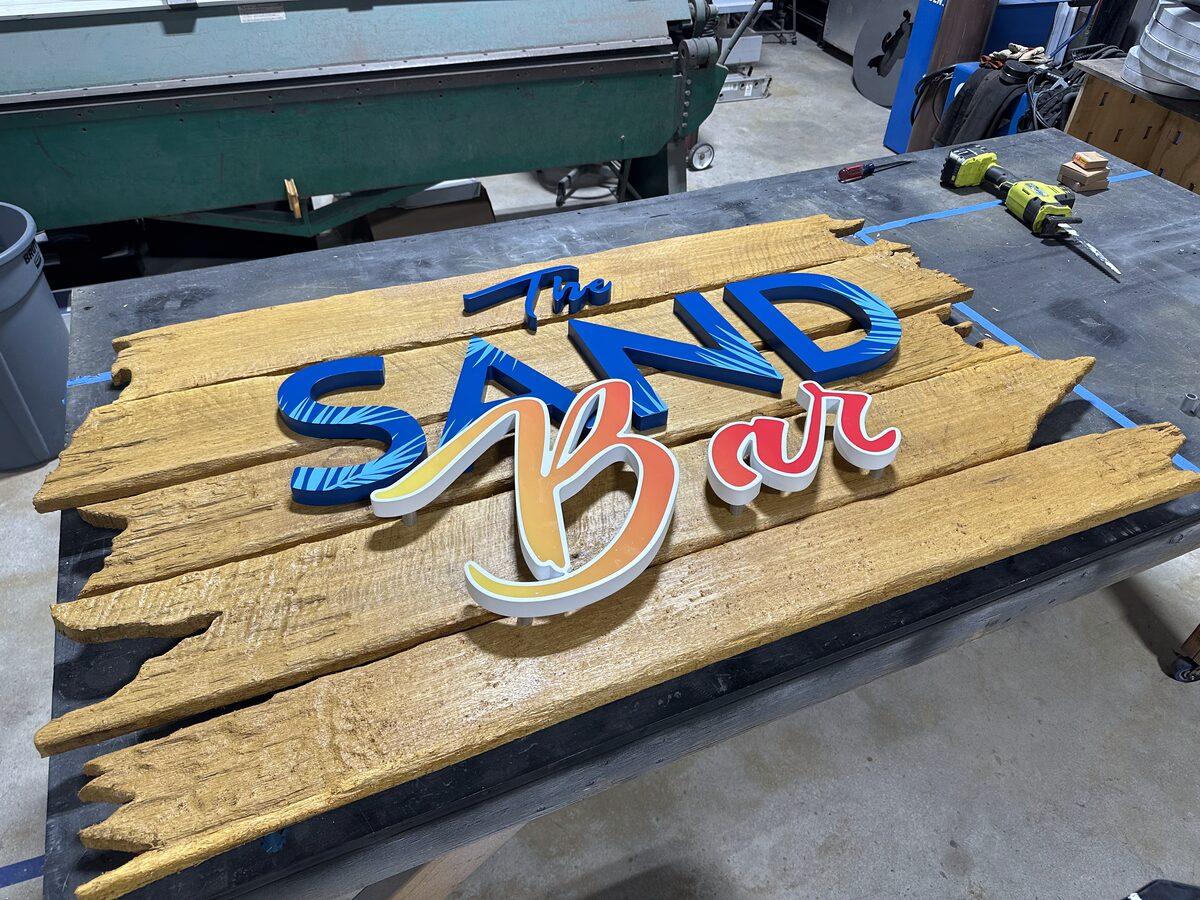
Our job is to ask the right questions about your project — climate exposure, mounting environment, brand aesthetic, expected lifespan, and budget — and recommend the material that makes the most sense. Sometimes that's HDU, sometimes that's cedar, and sometimes it's a hybrid where the panel is HDU and the framing is real wood.
.jpg)
.jpg)